Blog

Day Thirteen

Today we installed the bee hotels in the pollinator garden. They were essentially the finishing touches on the physical portion of the product. Unfortunately, all of the bee hotels could not be placed in the garden, so we only installed the top three hotels as determined by a vote. They were each mounted on posts throughout the garden. The purpose of the hotels is to attract pollinator bees and provide them with a nesting location.

Day Twelve

Today may have marked the best session yet. We finally have the plants in the ground. All of the students contributed; some of them continued laying mulch while others worked on planting. The students that were planting started by moving the mulch out of the way to expose the weed mat, which was then cut using an X-ACTO knife. They then used hand trowels to dig small holes, and completed the process by placing the plant in the hole and covering it with dirt and mulch. Those students work fast! We managed to get the whole garden planted in an hour! They are so motivated and great at teamwork, so I’m not surprised. I’m so happy with how things are turning out, and I can’t wait to get to what’s next.

Day Eleven

This session proved to be a bit different than the rest. Today, the students had the opportunity to finally get their hands dirty. They began by pulling weeds, and clearing the garden space so that it would be ready for us to plant. The next step was to lay down the weed mat. This prevents weeds from emerging easily, making the garden more sustainable because it controls weeds, meaning that less maintenance is required, and it will do so without the use of pesticides. The students used mulch to cover the mat, which also helps prevent weed growth. By the next session, we should have plants ready to go in the ground.

Day Ten

At my tenth session with the students, the primary focus was to complete the bee hotels. The majority of students were already finished, but a few of them still had some elements to work on. By the end of my time there, all but one of the groups was finished with their hotel. I am so impressed with the work that these students have done. For many of them, this project has been their first experience working with shop tools. All things considered, the bee hotel portion of my project has been wildly successful.

Day Nine

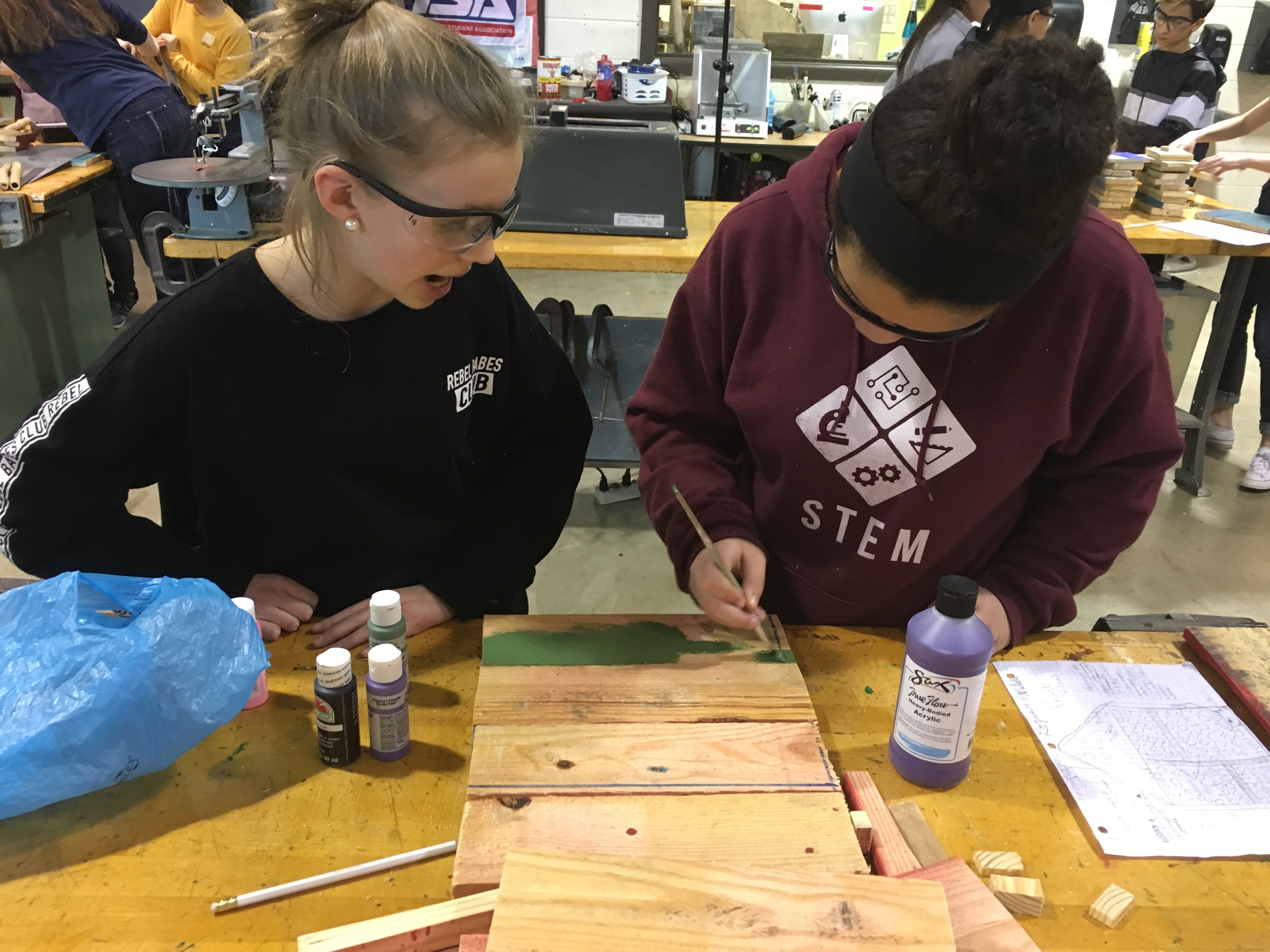
This past Thursday, I had another session with the students. Fortunately, many of the students are nearing the end of their projects. As seen in the pictures below, there are also students that have begun painting. In the midst of working, we all took a field trip outside to look at the snow. It was coming down in large chunks, and it was interesting to look at. When we came back inside, we returned to working. I am very impressed with the overall innovation, and the products are spectacular. Next week is spring break for the school system, so we will resume after that. My goal is for every bee hotel to be fully completed by Friday, April 5. Then, we will be able to begin working in the garden.

Day Eight

Today was the eighth session that I have had with the students. Similar to yesterday, today’s focus was on bee hotel construction. The majority of groups now have the basic frame of their bee boxes built, and many are now working on adding the nesting materials to their structures. Some are working on painting the outside of their hotels. Most groups should not have a problem with finishing the project prior to spring break’s beginning, but a few may need additional assistance. The diversity throughout the designs is shocking, and no hotel is like another. Fortunately, Harrisonburg City was generous enough to donate mulch, so we are getting set up for the pollinator garden portion of the project. The next step will be to find plants to use.
Day Seven

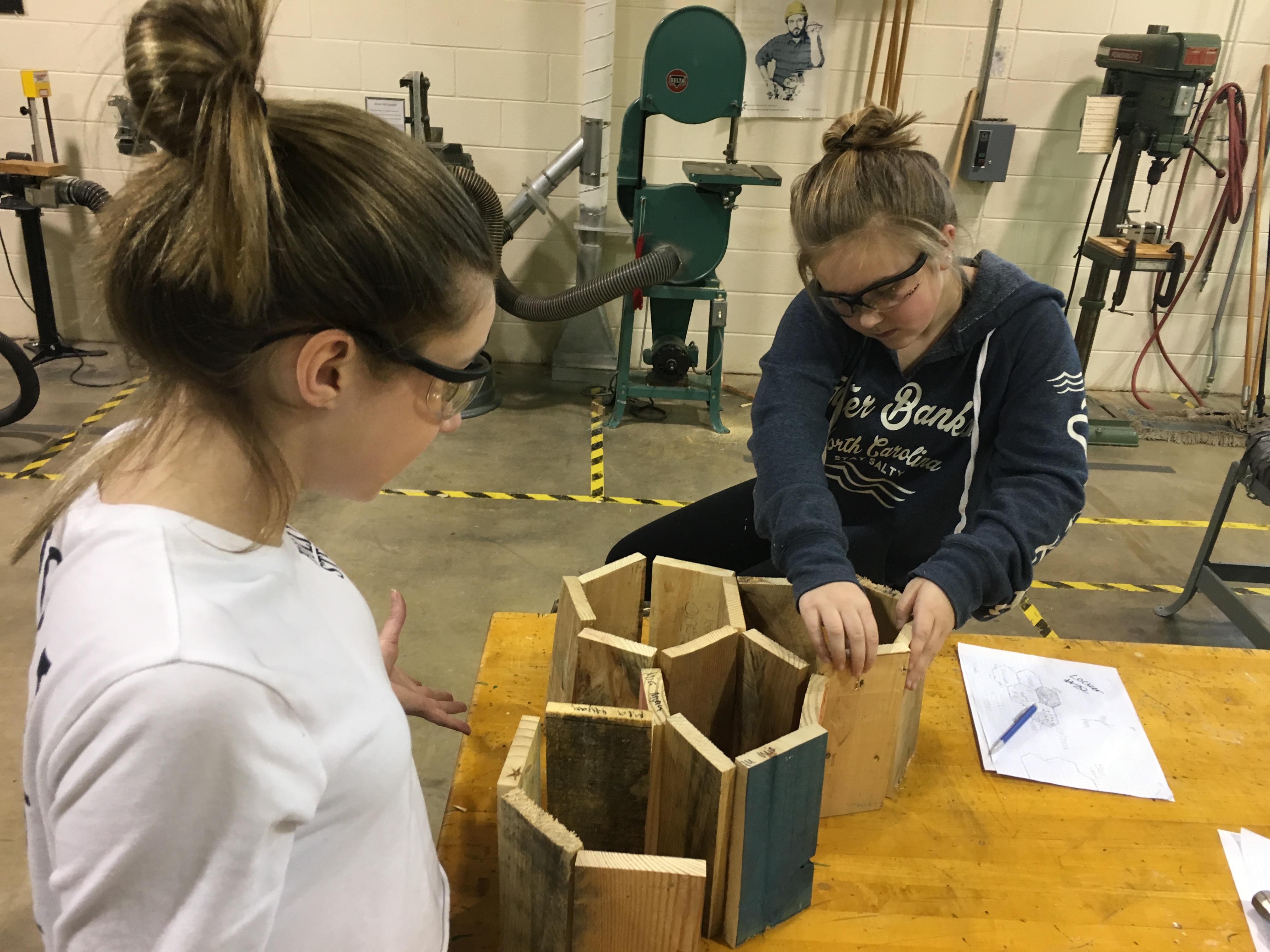
Yesterday, Mar. 12, I visited Thomas Harrison for the seventh session. The primary focus was getting closer to completing the bee hotels. Many of the students are nearing the end of this part of the project, however a few are not yet to this point. One group is just beginning to start the structure of their box, but I am confident that they will finish. My goal is for each group to have a completed bee hotel before spring break begins. The different designs that they have come up with are very interesting, and many are in shapes that I likely would not have thought to design. One of my personal favorites is the hotel that has several hexagonal shapes that resemble honeycombs. I think that it fits the theme well, and is very creative.
Day Six

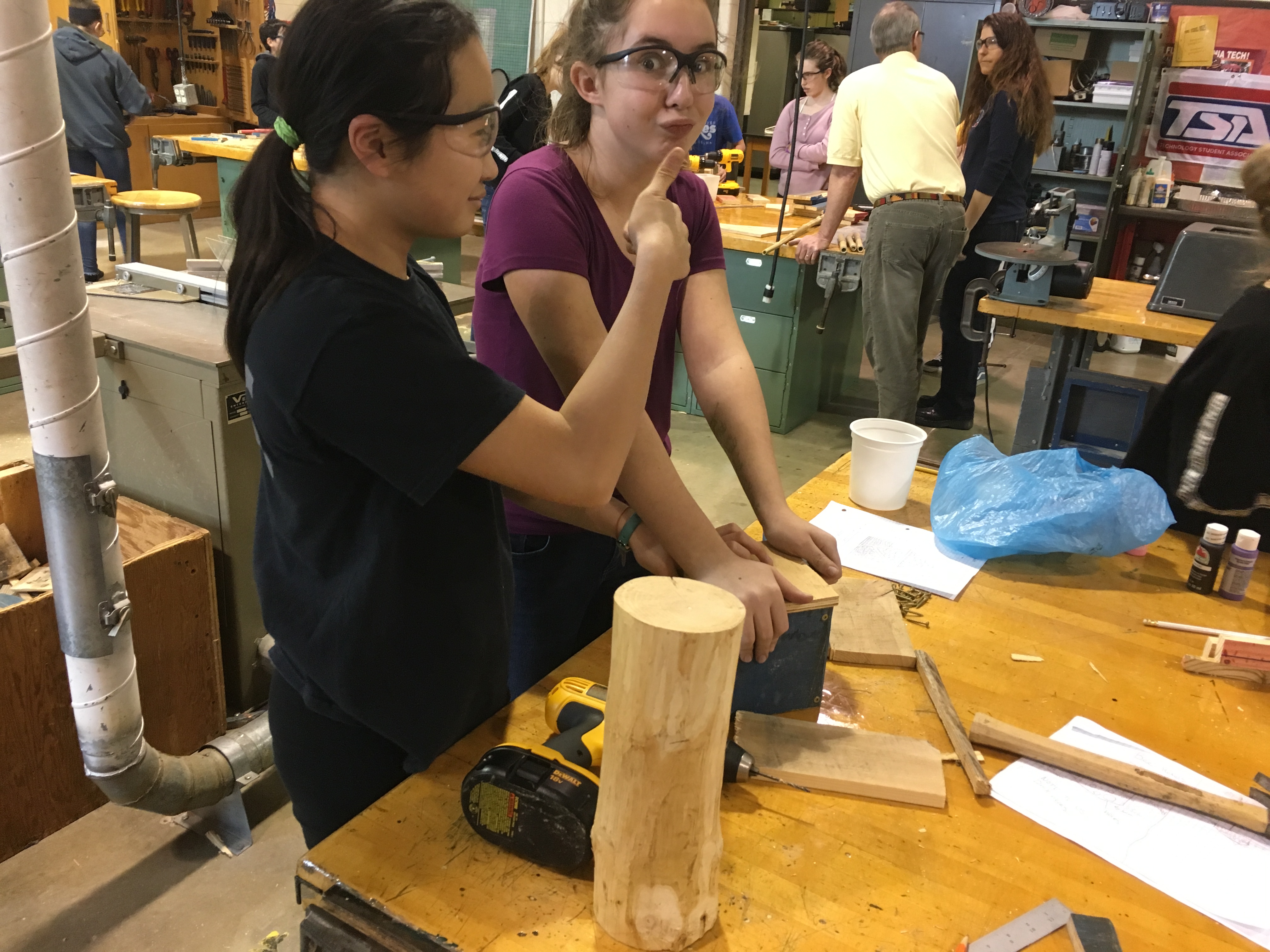
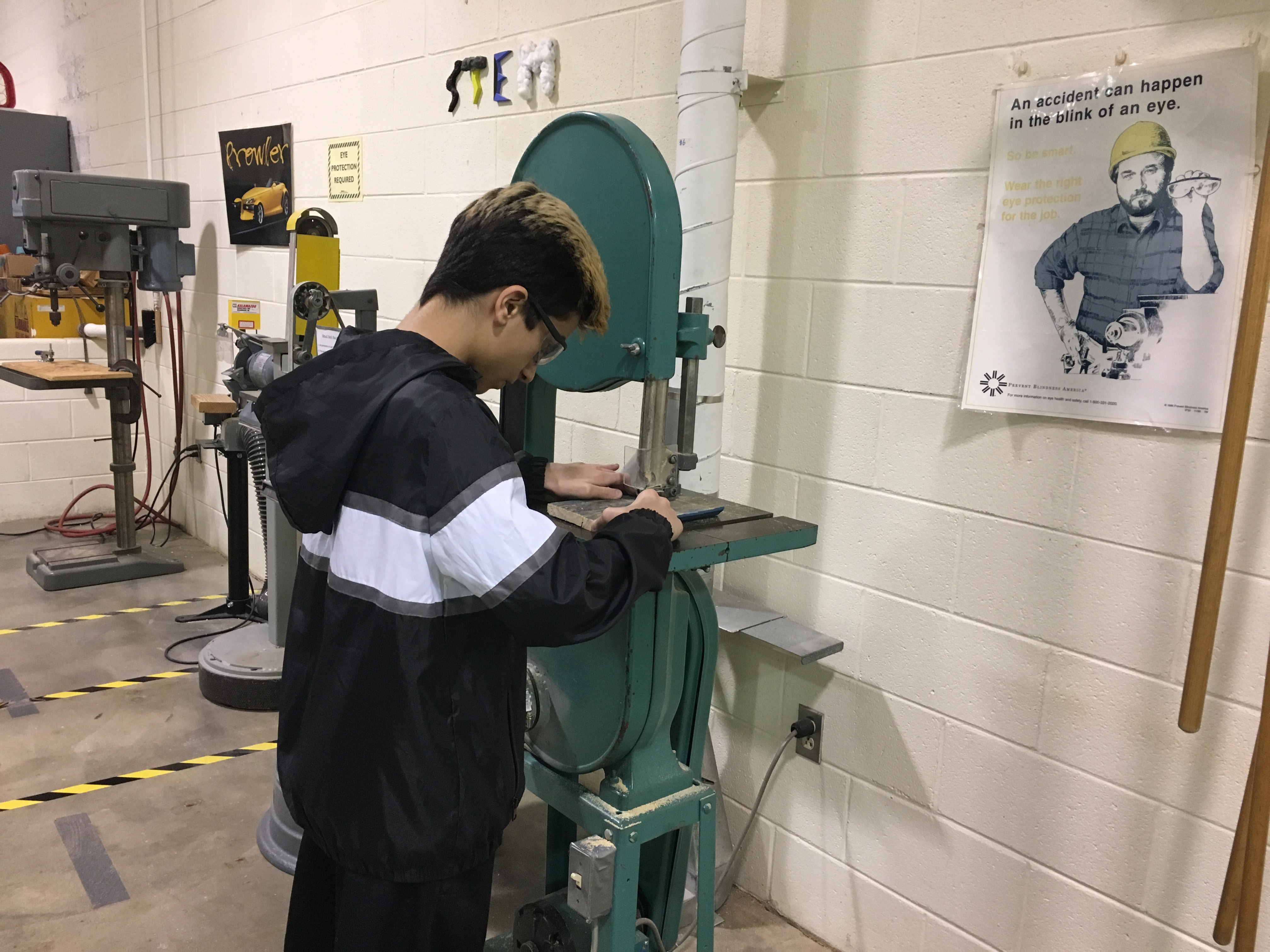
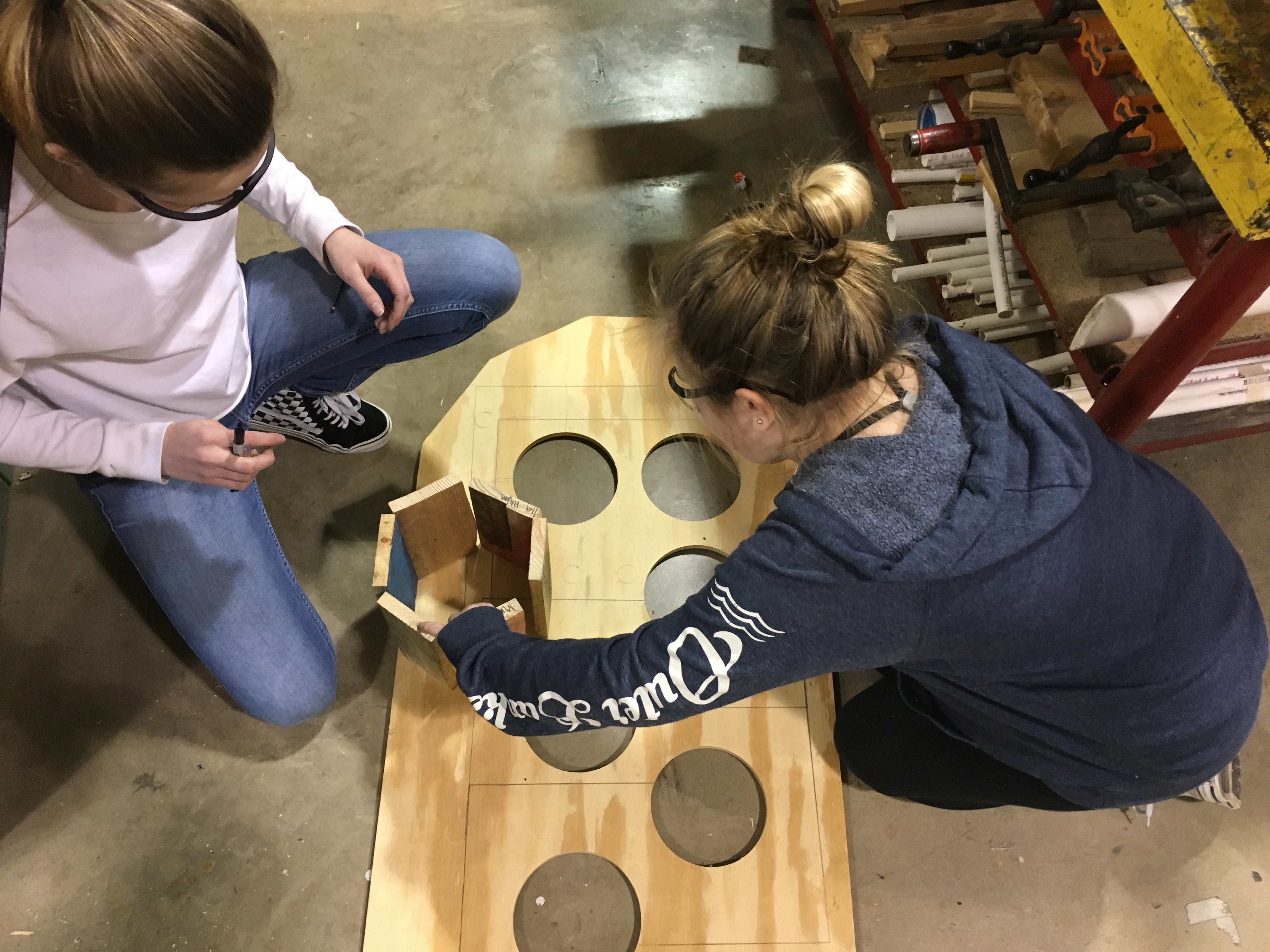
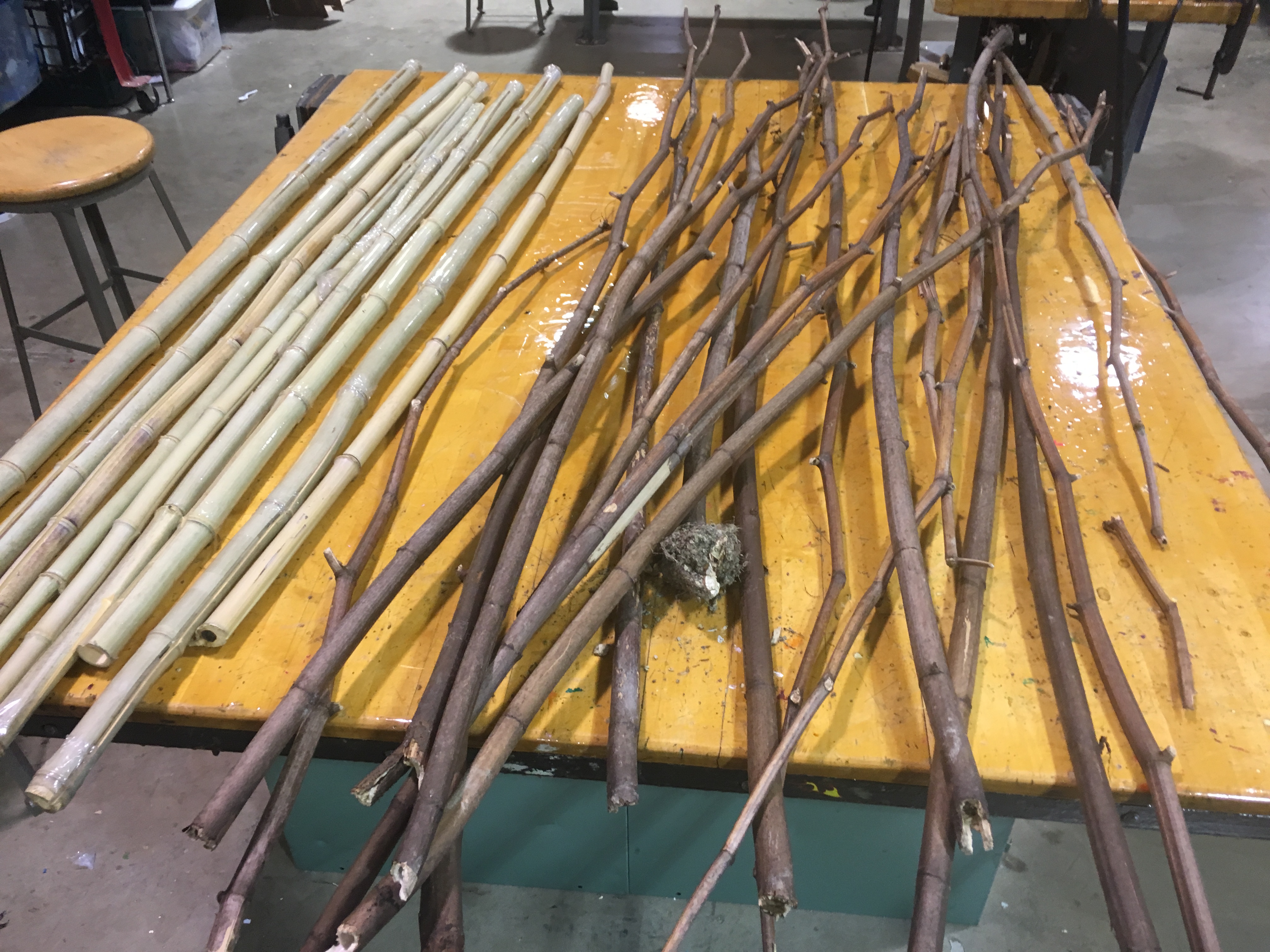
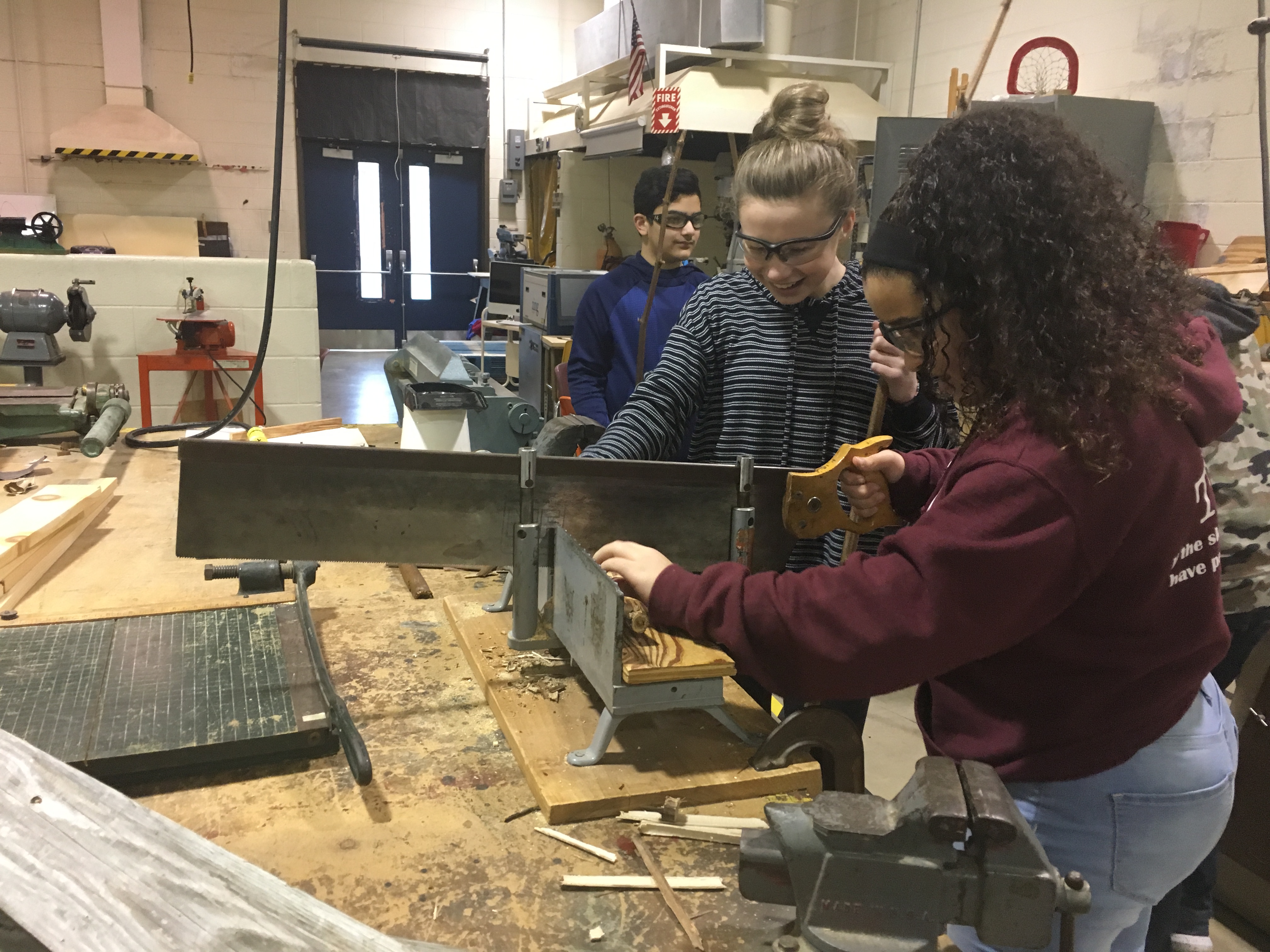
On Friday (Feb. 15), I had my sixth session at Thomas Harrison. The main focus was on construction. Each student worked with their partner to cut, drill, and piece together the wood that they are using for their bee hotels. They will later be filling their hotels with bamboo, paper straws, drilled wood, pine cones, wood chips, and other materials to create the nesting locations for the bees. Overall, there has been a lot of progress made. The seven pallets that we are using currently have generated copious amounts of wood to be used in construction. Some of the pairs that are beyond construction have even started to work on painting their hotels.
Day Five

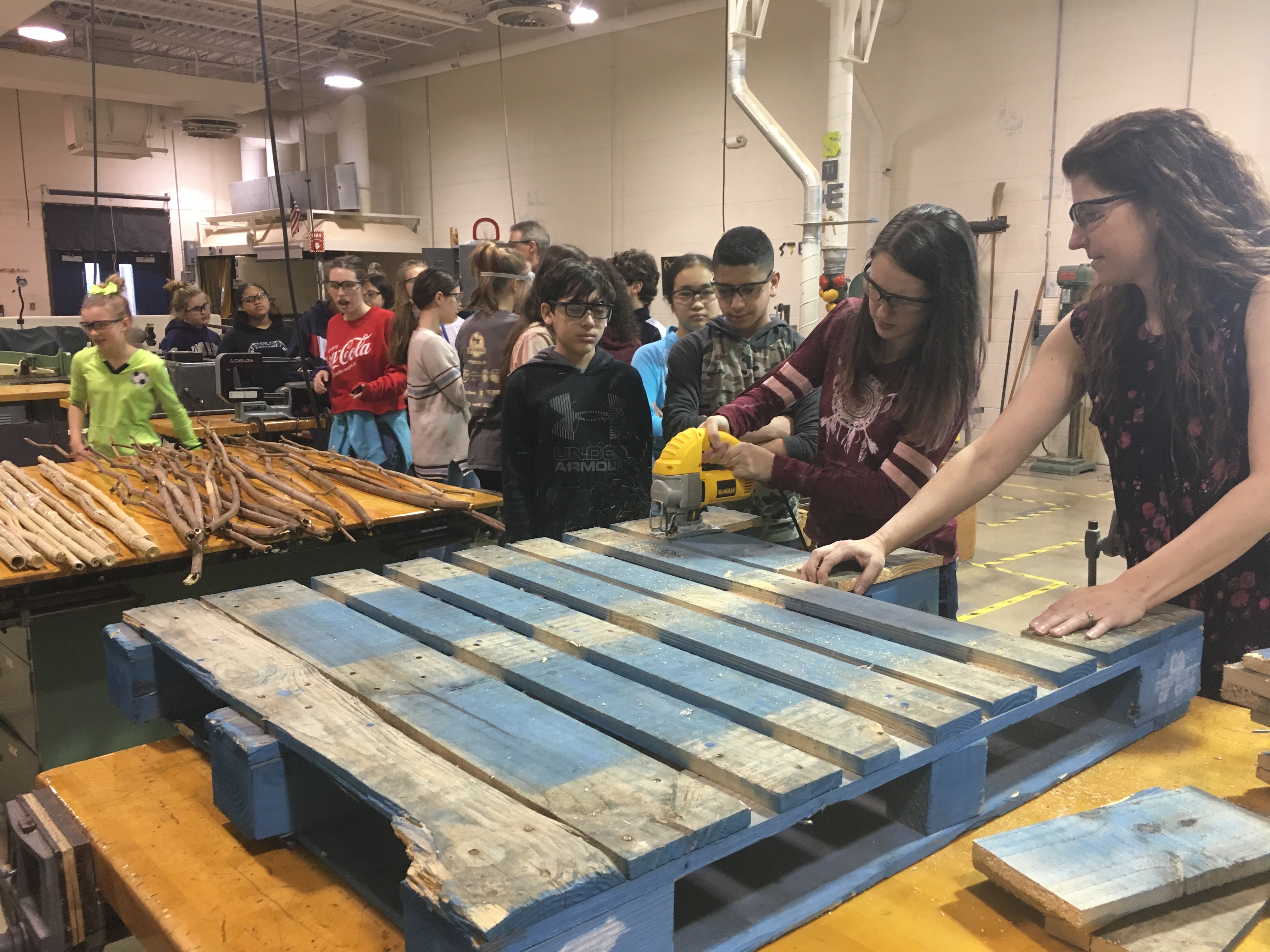
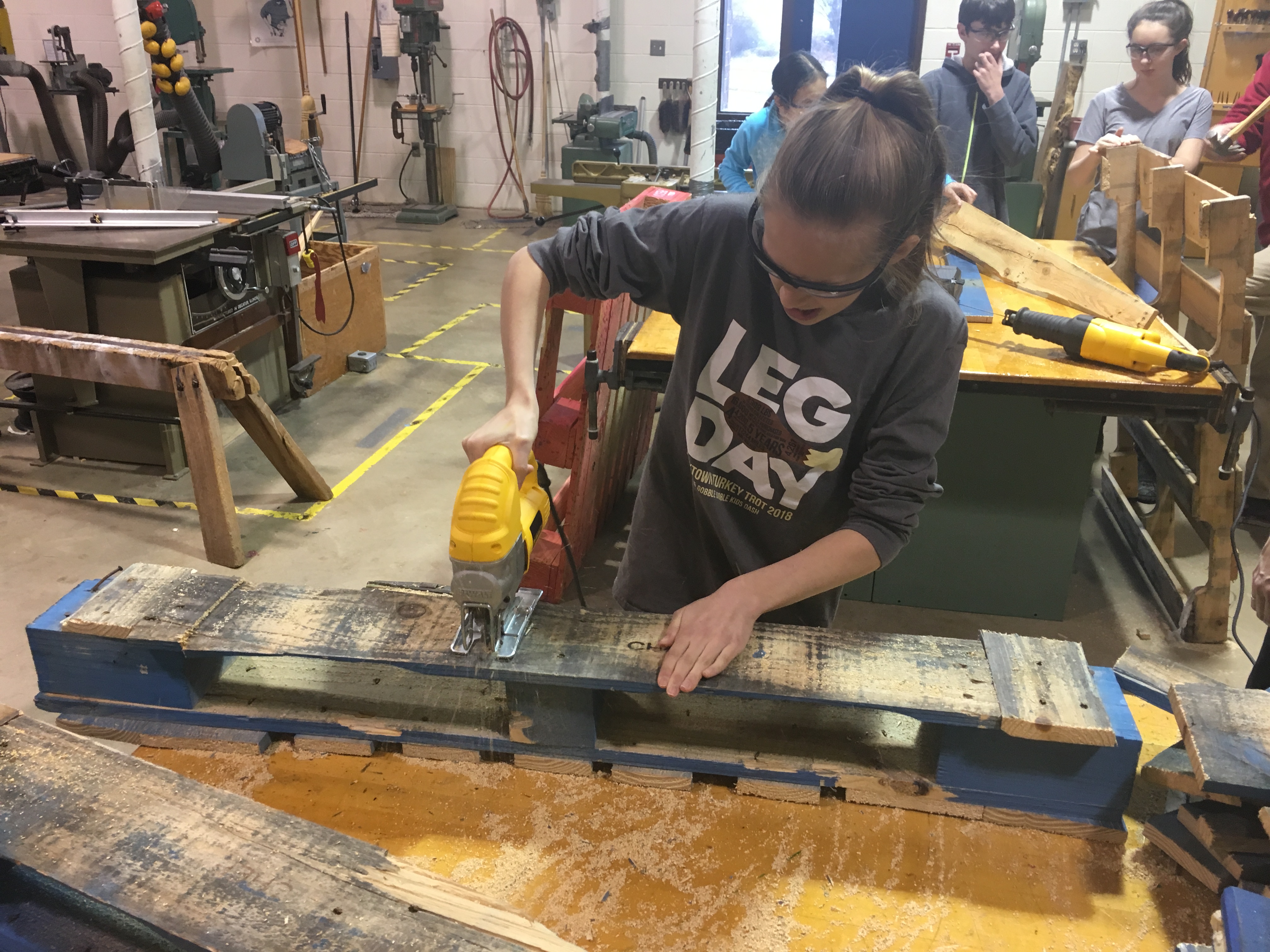
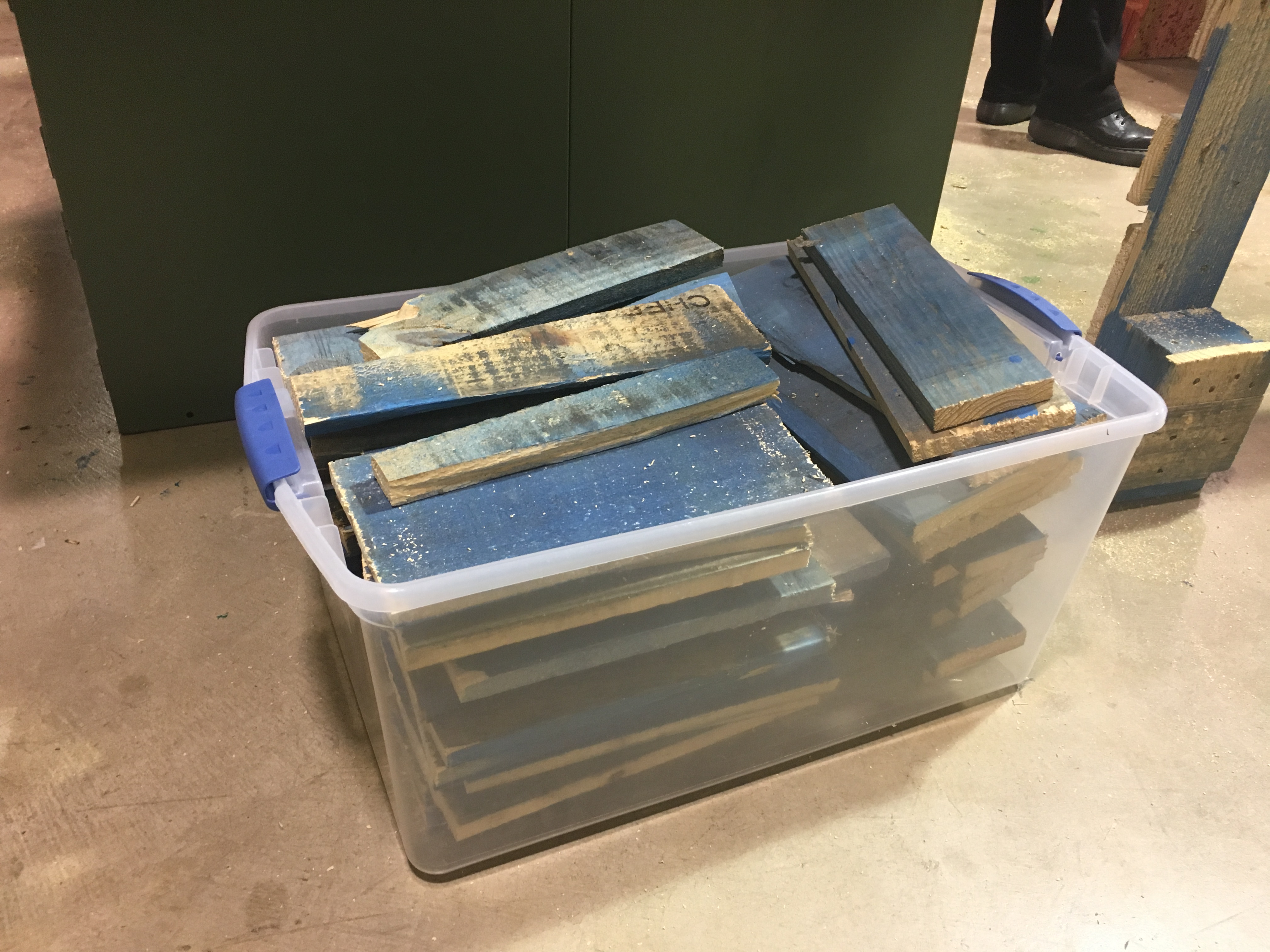
Today we began the construction process. Thanks to Finders Keepers’ donation of seven wooden pallets, we now have materials to start building. We started the process of deconstructing pallets today, and we’ve been salvaging wood from them. This wood will be used to create the frame for the bee hotels. We also cut bamboo to be used to fill some of the bee boxes. The hollowness of the bamboo makes it perfect for use by the bees. All of the pallets have not been cut yet, but we already have a substantial amount of wood. Overall, a substantial amount of progress has been made so far. I will be back at Thomas Harrison on Friday to do some more work with the students, and hopefully they will be able to begin constructing their frames by then.

Day Four

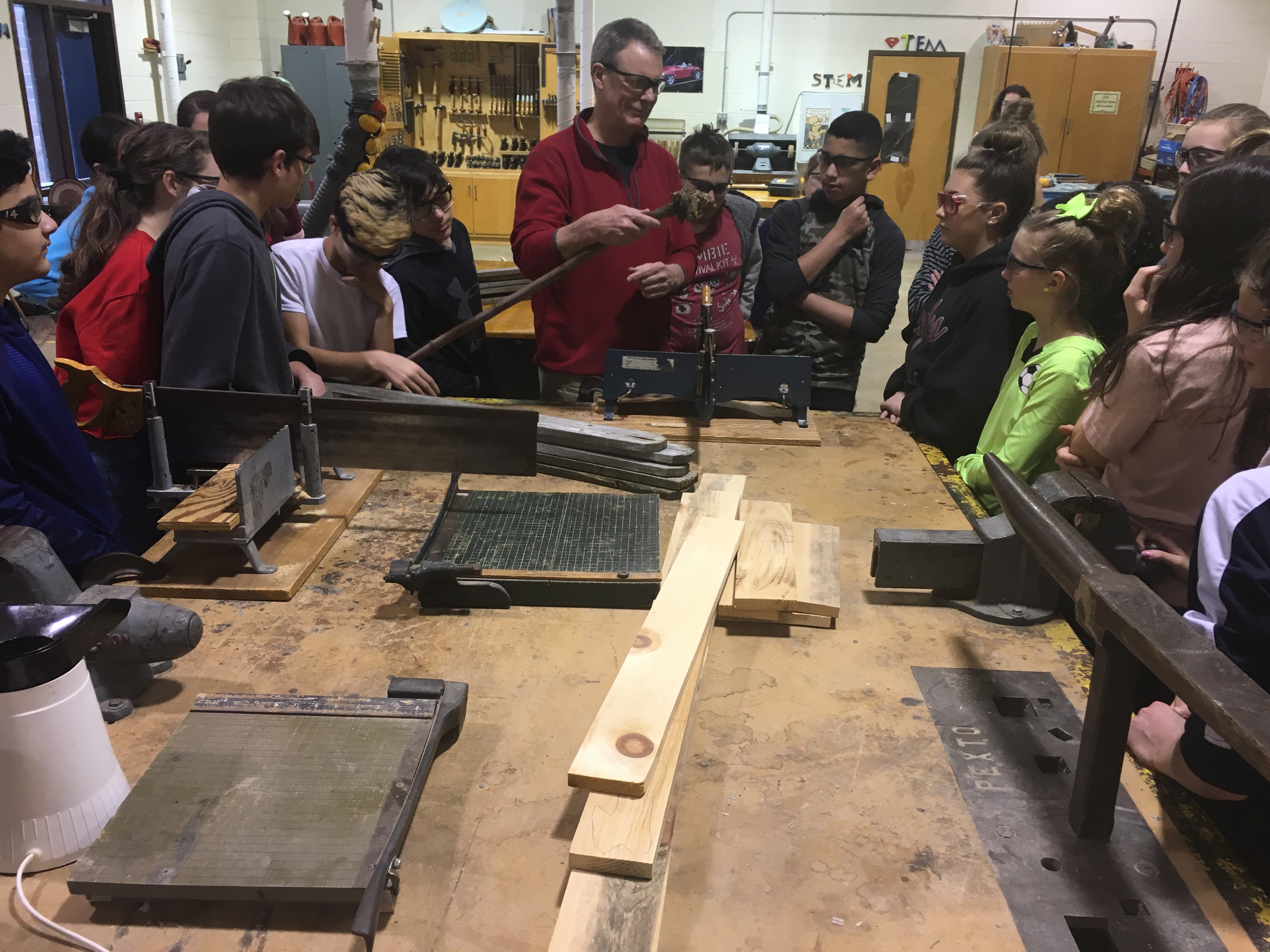
On Thursday, January 24, I went to my fourth session with the THMS students. While I was there, we had a group discussion about the different questions that the students had about the bee hotels. Some of them wanted to know more about the hole sizes, hotel size, and materials that can be used. After asking questions, the students presented their prototypes, and we talked about what they were planning to do for the actual construction. At our next session, I hope to begin the construction process.